

Modern technology plays an important role in all aspects of the oil industry. They are especially important in the production of drill rods, which are the main element of the drilling rig. The stability and durability of these rods determine the efficiency and safety of the entire drilling process. In conditions of high pressure, temperature and aggressive chemical environments, the production technology and materials for the manufacture of drill rods are key factors in their durability and reliability. Let's consider how modern technologies help to improve the parameters of drill rods and what new things manufacturers offer to increase their stability.
Innovative Materials
One of the most significant advances in increasing the durability of drill rods has been the use of new materials. Modern composite materials and special alloys can significantly increase the resistance of rods to mechanical and chemical influences. For example, the use of carbon fibers and nanocomposites made it possible to reduce the weight of the rods, while maintaining their strength. The new materials also reduce wear and corrosion, which is critical for marine and arctic applications. The effectiveness of such booms has been proven in practice: they last longer and require less maintenance.
Production technologies
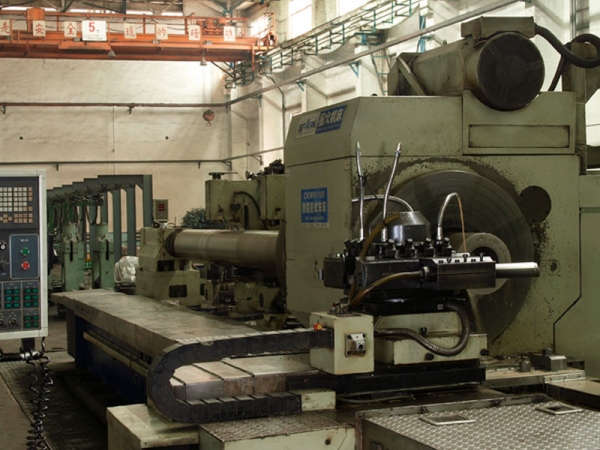
Modern manufacturing techniques such as 3D printing and automation significantly improve the quality and accuracy of drill rod fabrication. 3D printing allows you to create complex shapes with high accuracy, which improves their aerodynamic characteristics and reduces material consumption. Process automation reduces the impact of human error, minimizing possible errors and improving overall product reliability. In addition, the use of robotic systems makes it possible to speed up the assembly process and reduce time costs.
Computer Simulation
Computer simulation opens up new horizons in drill rod design. Using sophisticated algorithms and mathematical models, engineers can predict the behavior of rods under different loads and under a variety of operating conditions. This allows you to optimize the design by choosing the best geometry and materials for each specific case. Such technologies reduce the risks of breakdowns and accidents, as well as save money on correcting errors at the design stage.
Process Coatings
Special coatings are becoming more and more popular in the production of drill rods. They provide additional protection against wear and corrosion, which significantly increases their service life. The most commonly used coatings are diamond and ceramic, which have exceptionally high protective properties. These technologies allow the booms to be operated in corrosive environments, such as salt water or acidic soils, with little to no increase in maintenance and repair costs.
Smart Barbells
Modern technology will soon make it possible to use so-called "smart" drill rods. They are equipped with sensors and chips that transmit real-time data on the status of the rods. This data can include information about temperature, pressure, vibrations and other parameters, which allows you to identify and predict breakdowns or anomalies in operation in time. Such innovations will significantly improve the safety and efficiency of drilling operations through more precise control over processes.
Environmental aspects
One of the important aspects of the use of new technologies in the production of drill rods is their impact on the environment. Lightening the weight of the booms and reducing their size thanks to new materials and production technologies contributes to lower energy costs and carbon dioxide emissions. In addition, the durability of such rods leads to a decrease in the amount of resources used for their production and disposal. A responsible approach to the environment is becoming one of the key areas for the development of modern technologies for the use of drill rods.
These innovations and changes show how important technology is in the development and improvement of drill rods. They provide safer and more efficient methods of extracting oil and gas, which is critical to meeting the world's energy needs.